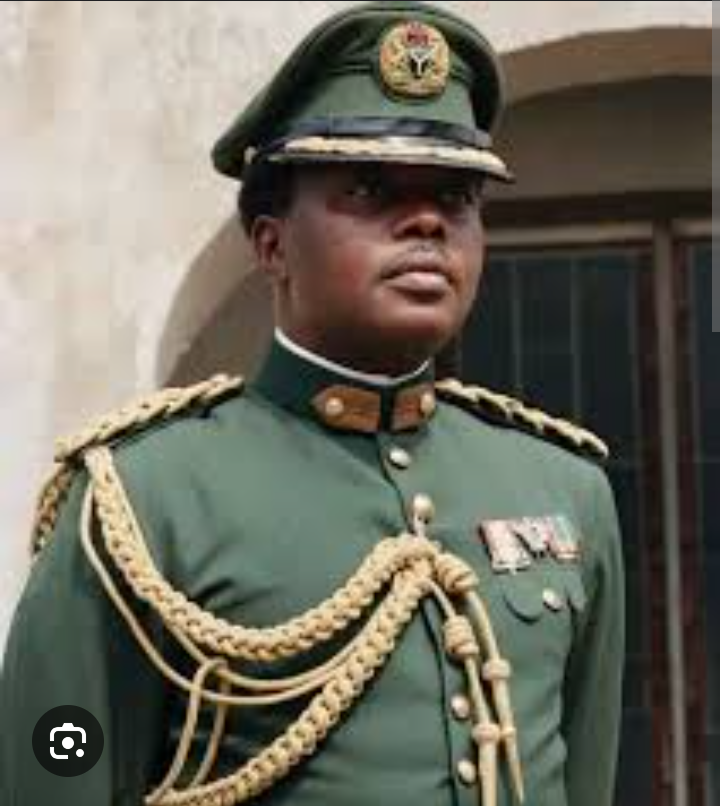
February 13, 1976, was supposed to be just another day in Lagos. But it turned out to be a day that would shake Nigeria to its core. General Murtala Muhammed, the country’s fourth Head of State, was assassinated in a failed coup led by Lieutenant Colonel Bukar Suka Dimka. The attack, which also claimed the lives of his aide-de-camp, Lieutenant Akintunde Akinsehinwa, and driver, Sergeant Adamu Michika, sent shockwaves across the nation.
Muhammed, who took power in July 1975, was known for his bold reforms and vision for Nigeria. He launched a massive purge of the civil service, tackling corruption and inefficiency head-on. His government also unveiled plans for a return to democratic rule, setting a timeline for elections.
The assassination, which occurred around 8 am near the Federal Secretariat in Ikoyi, Lagos, was a devastating blow to the nation. Muhammed was just 37, and his sudden death left a power vacuum that was eventually filled by Lieutenant General Olusegun Obasanjo, who continued many of his predecessor’s policies.
Dimka, the mastermind behind the coup, was captured weeks later and executed by firing squad on May 15, 1976. But the impact of that fateful day still resonates today, with many Nigerians remembering Muhammed as a leader who embodied courage, discipline, and a clear moral vision.
As Nigeria marks 50 years since the assassination, questions linger about what could have been if Muhammed’s life hadn’t been cut short. His legacy serves as a reminder of the importance of integrity, accountability, and strong institutions in governance.
Compiled & Written by: Nigerians In Diaspora Media (TheNidm)
Stay informed about the latest developments affecting Nigerians in the diaspora!
Follow us for more updates:
facebook.com/TheNidm
www.thenidm.com
#MurtalaMuhammedLegacy