The Presidency says state governments and local councils are responsible for addressing the multidimensional poverty affecting 133 million Nigerians, citing the constitution. According to Bayo Onanuga, Special Adviser to the President on Information and Strategy, the federal government isn’t responsible for providing basic services like education, healthcare, and sanitation, which are key to lifting people out of poverty.
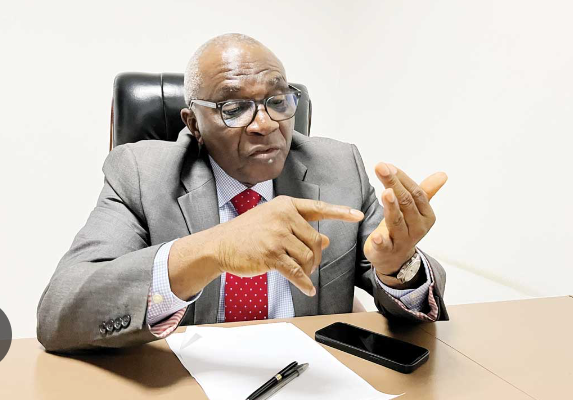
Prince Clement Agba, former Minister of State for Finance, Budget, and National Planning, explains that multidimensional poverty differs from financial poverty, affecting 133 million people due to lack of access to basic amenities. He criticizes state governments for concentrating resources in state capitals, neglecting rural communities.
The 2022 National Multidimensional Poverty Index (MPI) report reveals that 63% of Nigerians are multidimensionally poor, with 65% of the poor (86 million) living in the North and 35% (47 million) in the South. The report highlights significant disparities across states, with Sokoto (91%) and Ondo (27%) having the highest and lowest poverty rates, respectively.
Experts argue that addressing poverty requires improved education, healthcare, and infrastructure, particularly in rural areas. The World Bank warns that Nigeria’s poverty crisis is worsening, with 139 million people living in poverty as of 2025.
Stat informed about the latest developments affecting Nigerians in the diaspora!
Follow us for more updates:
facebook.com/TheNidm
www.thenidm.com
#PovertyAlleviation #Nigeria