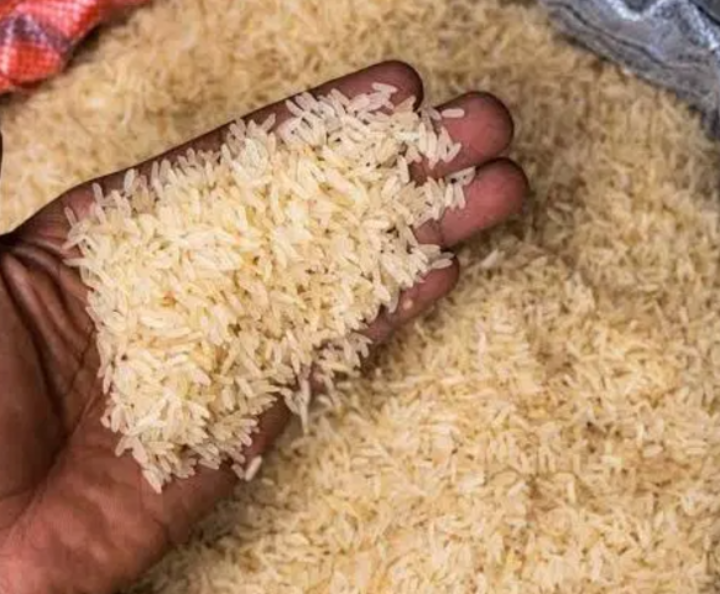
The Nigerian rice industry is facing significant challenges in competing with global markets, according to Isaiah Gabriel, Executive Director of the Foundation for Sustainable Smallholder Solutions (FSSS).
Gabriel attributes the struggle to poor access to high-quality rice varieties, inadequate irrigation infrastructure, and high production costs. Nigeria’s rice yield is less than 2 tons per hectare, compared to Egypt’s 8 tons/ha and the global average of 4 tons/ha.
The country’s rice production has declined, with a current production capacity of 5.3 million metric tons, while consumption stands at 8.5 million metric tons. This gap has led to increased reliance on imports, with Nigeria spending nearly $480 million annually on rice imports.
Experts suggest that investing in modern milling equipment, renewable energy systems, and research and development could boost Nigeria’s rice competitiveness. Strengthening trade agreements and promoting local rice varieties could also help.
The Nigerian government has launched initiatives like the Anchor Borrowers’ Program to support rice farmers, but more efforts are needed to ensure effective implementation and sustainability.
The future of Nigeria’s rice industry looks promising, but it requires continued commitment and investment from stakeholders to achieve self-sufficiency and become a major rice exporter.
Stay informed about the latest developments affecting Nigerians in the diaspora!
Follow us for more updates:
facebook.com/TheNidm
www.thenidm.com
#NigeruanRice