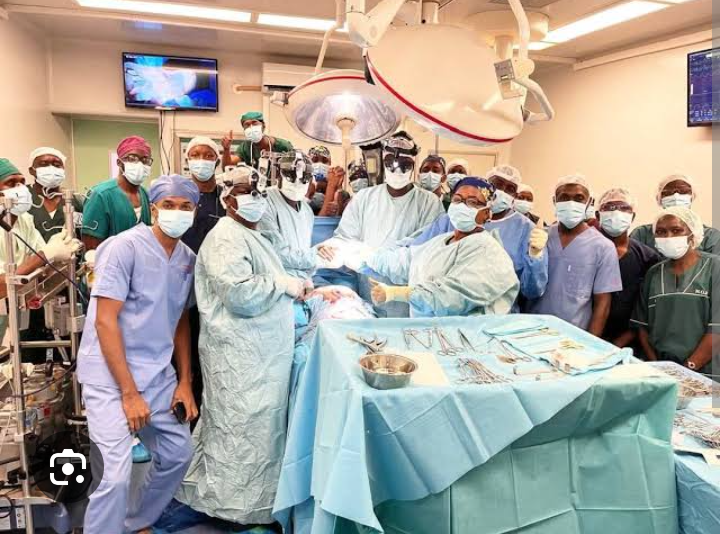
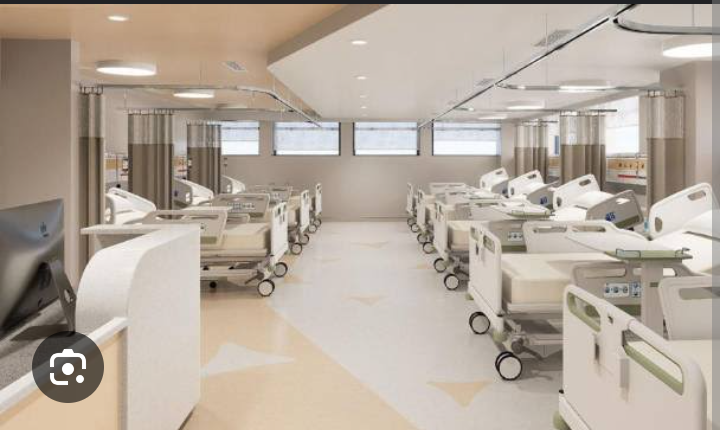
Africa is being urged to tap into the expertise of its diaspora community to address the continent’s healthcare challenges. The Ghanaian-Diaspora Nursing Alliance (G-DNA) recently brought together over 400 health professionals from Africa and abroad to discuss ways to improve healthcare delivery.
The continent faces a significant shortage of health workers, with a projected deficit of 6.1 million by 2030. However, the diaspora community can play a crucial role in bridging this gap. Many African countries have already seen success with diaspora-led initiatives, such as the Mama CVD Programme, which trains nurses and midwives to detect heart failure during pregnancy using AI-powered ultrasound devices.
The G-DNA conference highlighted the need for collaboration and coordination among healthcare professionals, policymakers, and the private sector. The event focused on shifting the narrative from “brain drain” to “brain gain,” with skilled Africans in the diaspora seeking structured ways to contribute to their home countries’ health systems.
The World Health Organization (WHO) has also launched a 10-year Africa Health Workforce Agenda (2026-2035) aimed at transforming how health workers are trained, deployed, and retained. The agenda prioritizes strengthening governance, modernizing education, improving employment and retention, and increasing investments.
By harnessing the expertise of its diaspora community, Africa can address its healthcare challenges and improve the quality of care for its citizens. As Dr. Adelheid Onyango, WHO Director for Health Systems and Services, said, “The next decade must be transformational. If we do not act boldly and collectively, the gap between what our health systems need and the workers available will only widen”.
Stay informed about the latest developments affecting Nigerians in the diaspora!
Follow us for more updates:
facebook.com/TheNidm
www.thenidm.com
#AfricaHealthcare #DiasporaContribution